Kirkuk's Electricity Share to Rise to Nearly 800 MW, KDP Lawmaker Says
Iraq approves 150 MW of additional electricity and nearly five million liters of fuel for Kirkuk as generator owners and residents dispute electricity prices.
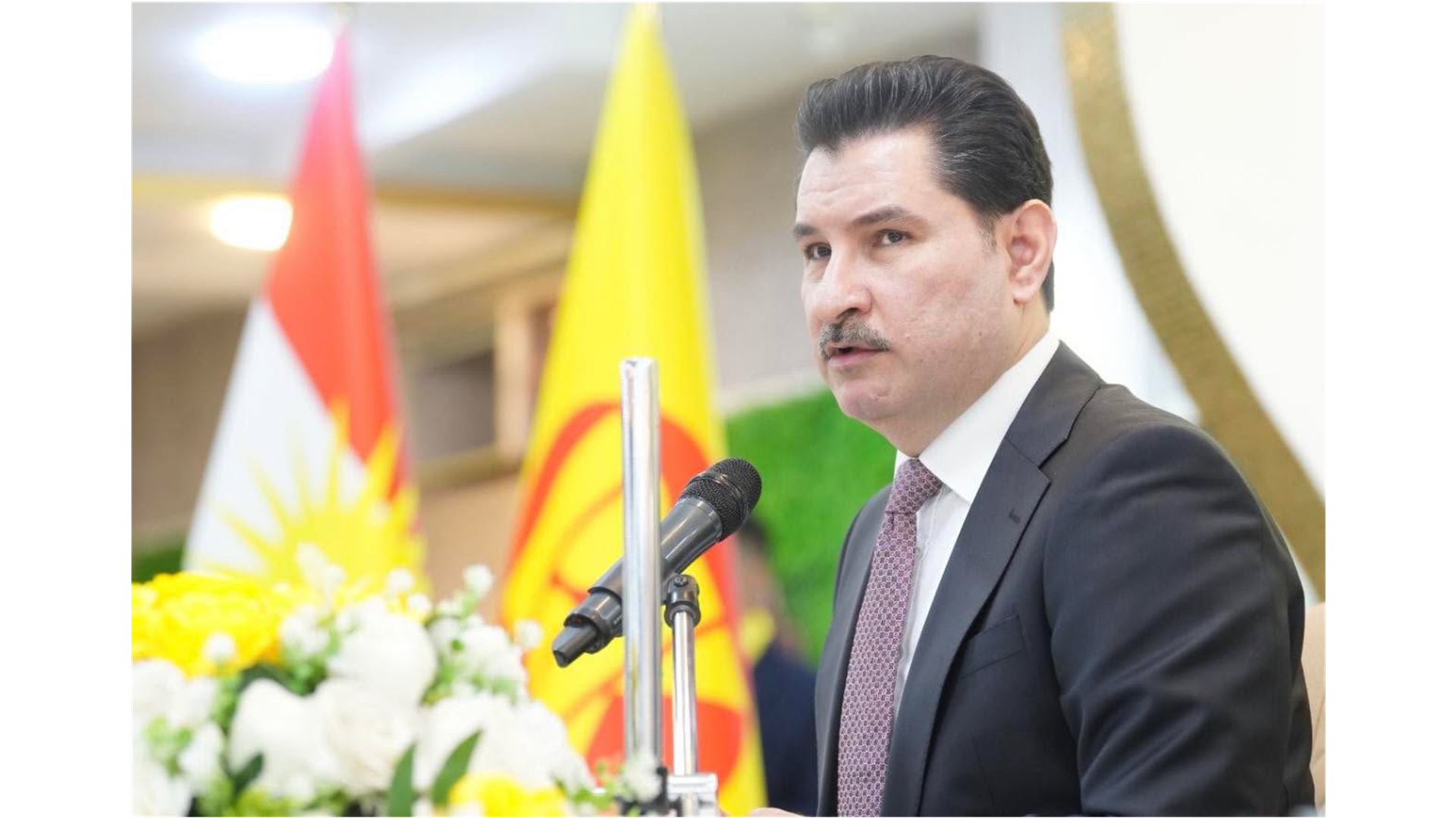
ERBIL (Kurdistan24) - Iraqi authorities have approved an additional 150 megawatts of electricity for Kirkuk and nearly five million liters of fuel for its private generators, according to Shakhawan Abdullah, head of the Kurdistan Democratic Party (KDP) faction in the Iraqi Parliament, who said the measures had resolved the city's electricity problem after days of protests.
In a statement on Tuesday, Nov. 3, 2026, Abdullah, who represents Kirkuk in parliament, said the decisions followed lengthy discussions with Iraqi Prime Minister Ali Zaidi. The additional allocation would bring Kirkuk's grid electricity share to nearly 800 megawatts, he said.
Abdullah also announced approval for the fuel allocation and unspecified administrative measures intended to improve management of electricity supplies. He said he and other representatives had pursued the talks with the federal government to defend residents' rights and address their demands.
The announcement offers a potential response to two pressures behind the unrest: reduced electricity from the national grid and the rising cost of operating neighborhood generators.
The proposed increase in grid electricity could reduce dependence on private generators, while additional fuel supplies could help operators address rising expenses. Neither outcome has yet been quantified, and no revised generator tariff was announced alongside the federal approvals.
The immediate consequences for household electricity bills therefore remain unclear.
Generator Owners Say Reduced Tariffs Cannot Cover Costs
At a press conference Tuesday, Ibrahim Muhyaddin, a representative of Kirkuk's private generator owners, argued that 18,000 dinars per ampere was the minimum monthly rate needed to meet operating expenses.
Local authorities had already reduced the tariff first to 15,000 dinars and then to 13,000 following public protests.
"We will not accept anyone making political capital at the expense of generator owners," Muhyaddin said, warning that operating hours would be reduced if operators could not cover their expenses at the lower rates.
He attributed the financial pressure to diesel prices, saying a barrel that cost 130,000 dinars at the same time last year now cost around 300,000 dinars and was difficult to obtain.
He also claimed that all five entrances to Kirkuk were closed and diesel was not entering the city. Those reported supply restrictions were not independently confirmed.
Muhyaddin presented an operating-cost document dated Nov. 3, estimating that a generator running for 350 hours monthly would require 16,100 liters of diesel.
Of that quantity, 5,000 liters were supplied by the government at 425 dinars per liter, while the remaining 11,100 liters had to be purchased commercially, according to the document.
The operators' calculations placed combined monthly fuel expenditure at 16.375 million dinars. Adding 2.67 million dinars for salaries, repairs, utilities and the owner's stated profit brought their reported total to 19.045 million dinars.
Divided across 800 amperes, they calculated a cost of approximately 23,800 dinars per ampere for October.
These figures represent the generator owners' calculations rather than independently audited operating expenses. The document did not explain how the newly approved fuel allocation would be distributed or how it might affect future costs.
Muhyaddin emphasized that generator owners were themselves members of the community and accused those monopolizing the market of exploiting residents.
Days of Protests Over Electricity Prices
The dispute erupted after the Kirkuk Central District Administration set November's private generator charge at 18,000 dinars per ampere, prompting demonstrations across Kirkuk, a Kurdistani territory outside the Kurdistan Regional Government's (KRG) administrative control.
The district administration subsequently reduced the rate to 15,000 dinars, while an extraordinary meeting of the Kirkuk Provincial Council lowered it further to 13,000 dinars.
Residents continued to reject the revised tariff, with some demanding a rate of between 8,000 and 9,000 dinars.
Kurdistan24 correspondent Hemn Delo reported nearly 25 demonstrations across 10 neighborhoods over two nights. Protesters blocked roads and burned tires, while confrontations with security forces left several police officers injured.
The Iraqi Army intervened late Monday to disperse crowds in several locations after tensions escalated beyond the police's control.
Read More: Kirkuk Protesters Arrested as Generator Electricity Dispute Escalates
Several residents were arrested early Tuesday. Police attributed the arrests to acts of disorder but did not provide an exact number or details of possible charges.
The demonstrations involved Kurdish, Arab and Turkmen residents, many of whom complained that electricity costs were placing additional pressure on low-income households.
Some protesters also reported that generator owners had suspended electricity supplies, aggravating the dispute.
Earlier Tuesday, parliamentary representatives were reported to be discussing subsidized or free fuel for generator operators with the Iraqi prime minister.
Abdullah's subsequent announcement confirmed approval for a substantial fuel allocation, although its price, distribution arrangements and implementation timetable remain unspecified.
The additional electricity and fuel represent a potential response to the concerns of both households and generator operators. Whether the measures fully settle the dispute will depend on their implementation and any resulting changes to the cost of privately supplied electricity.