Kirkuk Council Member To Visit North Oil Company Over Kurdish Hiring Gap
After a Kurdistan 24 investigation, the head of the KDP bloc says the council will examine what he calls an imbalance that runs from senior posts to administrative units
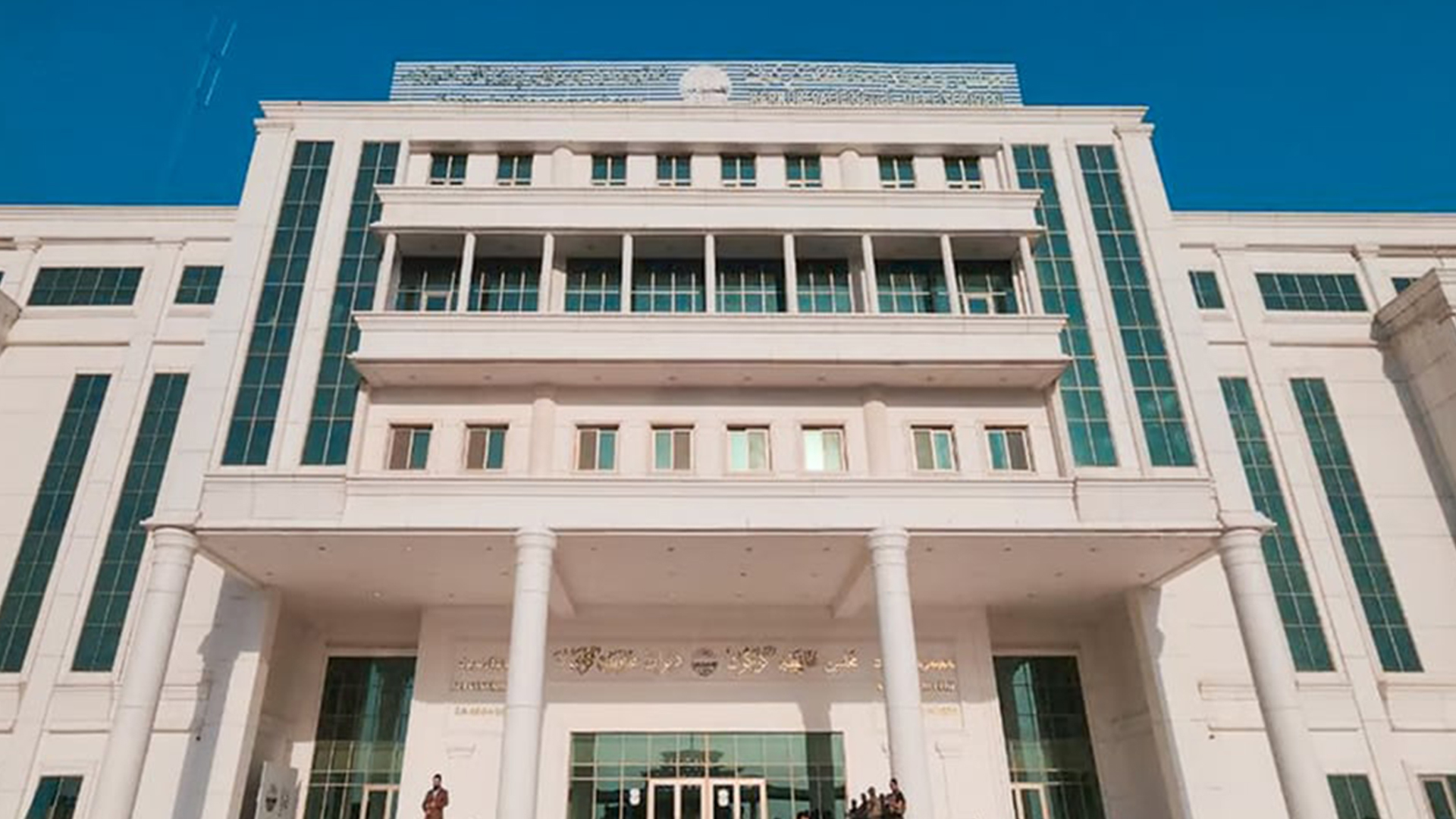
ERBIL (Kurdistan 24) - A member of the Kirkuk Provincial Council responded to a Kurdistan 24 investigation of the low share of Kurdish employees at the North Oil Company by saying the council will visit the company to discuss what he called injustice in the distribution of jobs.
The investigation found that only 2 percent of the company’s 15,000 employees are Kurds, while Kurds make up more than half of Kirkuk’s population, according to the report by Kurdistan 24’s correspondent in Kirkuk, Soran Kamaran.
Hassan Majeed, head of the Kurdistan Democratic Party (KDP) bloc in the provincial council, told Kurdistan 24: “We saw the Kurdistan 24 report and the imbalance that exists, and we will discuss it during our visit to the North Oil Company. Your report is the basis of our steps, and our follow-ups show the numbers are as you said.”

Majeed said the imbalance is not limited to one level, but runs from the top departments to the administrative units, and that every section of the company has the problem.
A Kirkuk resident, Wasta Hamid Jalal, a baker, said that “if the Kurds unite, they can bring change and they will have to compromise.” On the failure to implement Article 140 of the constitution, which calls for normalization, a census and a referendum on Kirkuk, he said: “We are not united, so they are not afraid of us.”
The company runs five oil fields in Kirkuk and employs about 17,000 people including contract staff, according to Iraqi media, which quoted an oil expert as saying fewer than 1,000 Kurds work there, less than 10 percent. Kurdish lawmakers from Kirkuk urged the Iraqi oil ministry about two months ago to intervene over what they called a lack of balance and fairness in the company’s management and warned of legal action, according to Iraqi media.
A Kirkuk oil training institute official said in an earlier report that Kurds held only one of 40 senior posts at the company’s Kirkuk branch. The Iraqi government has not commented on the findings, and the company has not responded. Iraq’s 2024 census did not record ethnicity, so the current share of Kurds in the province has no official count, and the last widely cited census in 1957 put Kurds at 48 percent, Arabs at 28 percent and Turkmen at 21 percent.