Iraq’s 2027 Draft Budget Proposes New Taxes to Cut Deficit
Iraq’s 2027 draft budget proposes new taxes and fees to raise non-oil revenue and cut a 43 trillion dinar deficit, as a lawmaker and traders warn of added burdens.
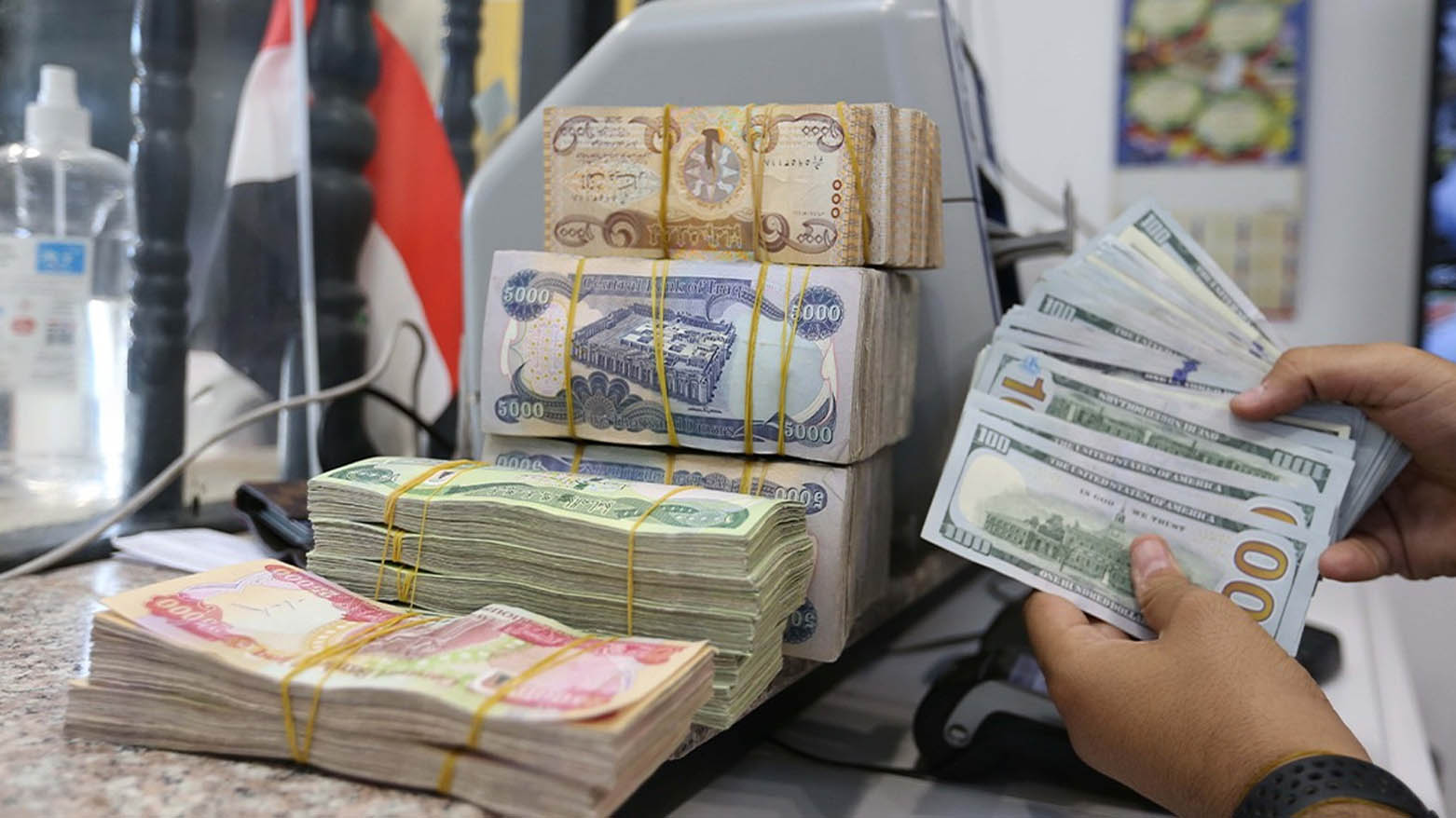
ERBIL (Kurdistan24) - Iraq’s draft budget bill for 2027 moves toward widening the net of taxes and fees, aiming to raise non-oil revenue and reduce a fiscal deficit estimated at about 43 trillion dinars (about $32.8 billion). The draft, published on Oct. 6, 2026, is now with the Iraqi Council of Ministers, whose vote on it has been postponed.
An informed source in the council told Kurdistan24 that an extraordinary meeting, scheduled for Saturday, Nov. 14, to vote on the draft has been delayed to an unspecified date. According to Kurdistan24’s Baghdad correspondent Dilan Barzani, the main reason is that the joint Erbil-Baghdad committee has not yet finished rewriting and drafting the budget’s new texts and clauses.
The source also cited continuing technical disagreements. Intensive talks between technical delegations of the Kurdistan Regional Government and the Federal Government of Iraq on determining the Kurdistan Region’s share of the 2027 budget are continuing, but the two sides have not reached a final agreement.
Meanwhile, concern is growing over how the proposed measures could affect the prices of goods, services and citizens’ purchasing power. The government still depends heavily on oil revenue to cover a large share of public spending, which is why the proposals seek to expand revenue collection across several commercial and service sectors.
According to the draft’s details, the proposals include a 7% sales tax on communications and internet services, a 25,000-dinar fee on foreign travel tickets, and other fees at airports and border crossings. The new taxes would also cover restaurants, hotels, private medical services, digital advertising and some commercial activities.
The draft aims to bring in about 29.5 trillion dinars in non-oil revenue, against public spending estimated at roughly 217 trillion dinars. That sets a demanding test for the new measures as a source of financing, particularly amid warnings of a heavier burden on markets and consumers.
Lawmaker urges better collection, not heavier burdens
Jamal Kocher, a member of the Iraqi Parliament’s Finance Committee, stressed in a statement the importance of strengthening tax and customs revenue and reducing reliance on oil income.
He said Iraq has broad economic activity that should supply more funds to the public treasury. Weak collection mechanisms and the continued waste of resources, he added, prevent the country from benefiting fully from it.
Even so, Kocher warned that financial pressures should not be addressed by raising taxes and placing more burden on citizens, especially as the cost of living rises.
He said the focus should instead be on improving collection, activating laws and recovering wasted resources, while ensuring that all revenues remain under the control of state institutions.
Some tax and customs revenues, he said, never reach the treasury because of corruption and weak oversight, which calls for firm government measures to control revenue and prevent the waste of public money.
He also stressed applying the customs system according to the classification and value of goods, so that it secures revenue and helps protect domestic production without adding to citizens’ burdens.
Traders warn of pressure on markets
From the business side, Rashid Saadi, spokesman for the Baghdad Chamber of Commerce, told Al-Araby Al-Jadeed that imposing taxes and fees on commercial and service activities would double the pressure on Iraqi markets, given higher import, transport and operating costs.
He noted that traders already face various tax and customs obligations that affect prices and market competitiveness.
Tax deposits imposed on importers stand at 3%, he said, while customs duties vary by type of goods and in some cases reach 30% or 40%.
Saadi explained that the requirement to pay taxes and fees before goods are received ties up part of traders’ cash and raises import costs.
Expanding revenue collection without regard to economic conditions, he said, could force traders to raise prices or cut import volumes, leading to a slowdown in market activity and harm to small and medium-sized businesses.
He stressed that the trade sector does not oppose regulating taxes or paying state dues, but wants a review of fee rates and collection mechanisms.
Representatives of traders, he said, should take part in discussing any new measure, so that government revenue rises without harming commercial activity or burdening consumers.
Economist questions the revenue target
Economic expert Salah al-Obeidi said the expansion of taxes and fees is an attempt to increase financial resources.
However, he said, the target of about 29.5 trillion dinars in non-oil revenue, which he put at nearly double the 2025 figure, faces a major challenge.
Obeidi said that revenue cannot be secured through new taxes alone, because actual income depends on transaction volumes, compliance and collection efficiency. He warned against overestimating revenue without studying the tax base of each sector.
Obeidi added that taxes on communications, the internet, travel and services could bring in more resources, but would also raise prices and reduce demand, which would limit the expected revenue.
Covering the deficit of about 43 trillion dinars, he stressed, needs more sustainable sources rather than temporary collection.
He also pointed to the risk of imbalance among taxed sectors, since registered businesses would bear a heavier burden while informal activities stay outside the tax net.
That, he said, would weaken fair competition and push traders toward the informal economy. Administrative and financial corruption could also drain part of the revenue, he said, so laws must apply to all taxpayers, tax evasion must be held to account and electronic systems must be expanded to ensure that collected money reaches the public treasury directly.